Plato and Personal Daimon

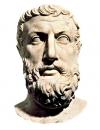
Plato, the student of Socrates has written many interesting books of philosophy. One of the most well known is Timaios. Among a lot of interesting things Plato writes about the soul and the personal daimon, the spirit that we call today guardian angel was called agathodaimon, meaning a good spirit.

Plato, Timaios 90:

We have to understand that the most dominant part of the soul that God gave as a gift to each human is a daimon god. It lives in the top of the body and it lift us from earth to our relative heaven, because we are plants not of the earth but of heaven. Our first born happened in heaven and there lie the roots fo our soul, there our divine souls adds and has its conneciton lines (roots) to our head and from there to all body (yes, kether). If someone has been devoted to its wishes or to its fights, he ruins the energy and his thoughts become earthy or moral. If he learns the love of learning (philosophy) and true wisdom (science) he cultivates the heaven ly side of his self, he then can approach the truth, he is thinking of the immortals, the divine things. He is closer to achieve immortality, as immortality is relavite to the human nature. If he takes care of his divine soul and takes care of his personal daimon that has inside of him, he will reach total happiness (eudaimonia).

The ancient Hellenes followed a different calendar from ours. Each month was aligned with the moon. The first day of the month was the day of the dark moon, it was called noumenia. The second day was the day of agathodaimon, the divine spirit that Plato wrote. Hellenes did some acts of devotion, rituals and offerings to their god daimon. As a spirit, agathodaimon protected the human and its possesions, especially the house. The usual offering was pouring wine to the earth. Aristophanes mention that this spirit could lead to salvation, as Plato wrote in his text too. The snake was a typical representation of agathodaimon.

Category: 
Evaluation: 
0
No votes yet

Theurgy and Philosophy are two different methods which lead to the union with God.


Follow on

Subscribe to our Newsletters

Latest Comments

Shrines

Back to Top